
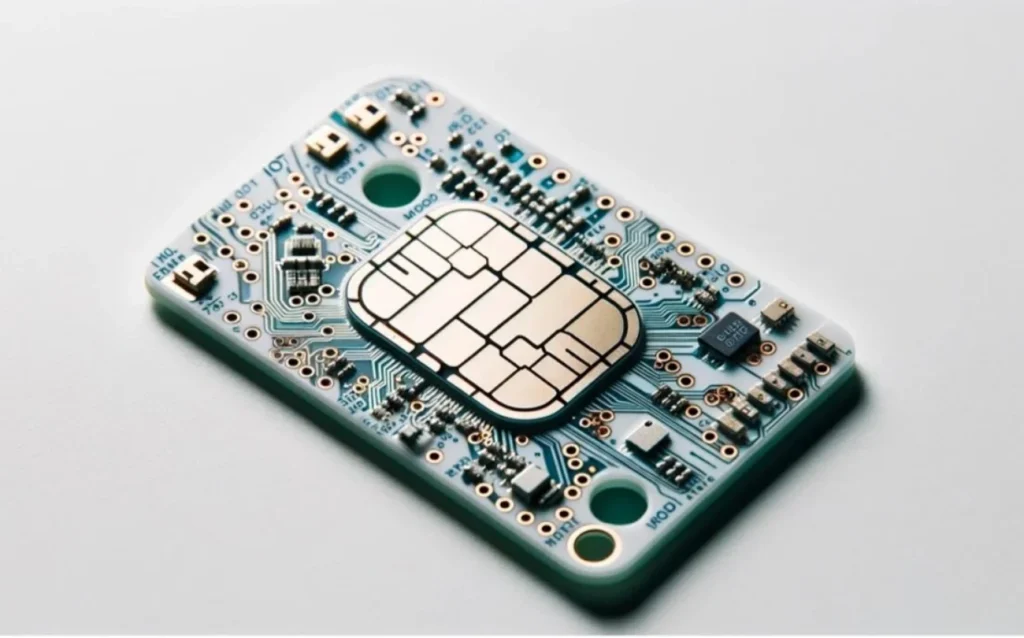
A Standard IoT SIM card is engineered for Internet of Things (IoT) applications, providing secure, stable, and efficient machine-to-machine (M2M) communication over cellular networks. Compatible with a range of technologies—including 2G, 3G, 4G, LTE-M, NB-IoT, and 5G—it delivers broad coverage and seamless connectivity.
Machine-to-Machine (M2M) communication requires a different level of connectivity than consumer mobile services. Devices often operate unattended, transmit small but critical data packets, and must remain connected for years across varying network conditions. IoT SIM cards are specifically designed to meet these requirements.
Unlike standard SIM cards, IoT SIM cards are engineered for long-term, always-on connectivity. They support stable data transmission without manual interaction, making them ideal for remote sensors, industrial equipment, and automated systems.
M2M applications focus on reliable data transfer rather than voice services. IoT SIM cards prioritize efficient data routing, low latency, and low power consumption, helping devices operate reliably while reducing energy and operational costs.
Many M2M deployments involve devices that move between regions or operate in challenging environments. IoT SIM cards support roaming and multi-network access, ensuring devices remain connected even when local network conditions change.
Managing large numbers of M2M devices manually is impractical. IoT SIM cards can be centrally managed through a cloud platform, allowing businesses to monitor connectivity, control data usage, and manage SIM lifecycles remotely from a single interface.
IoT SIM cards offer higher durability, extended lifecycle support, and enhanced security features compared to consumer SIMs. This makes them suitable for business-critical M2M applications such as smart metering, asset tracking, industrial automation, and remote monitoring.
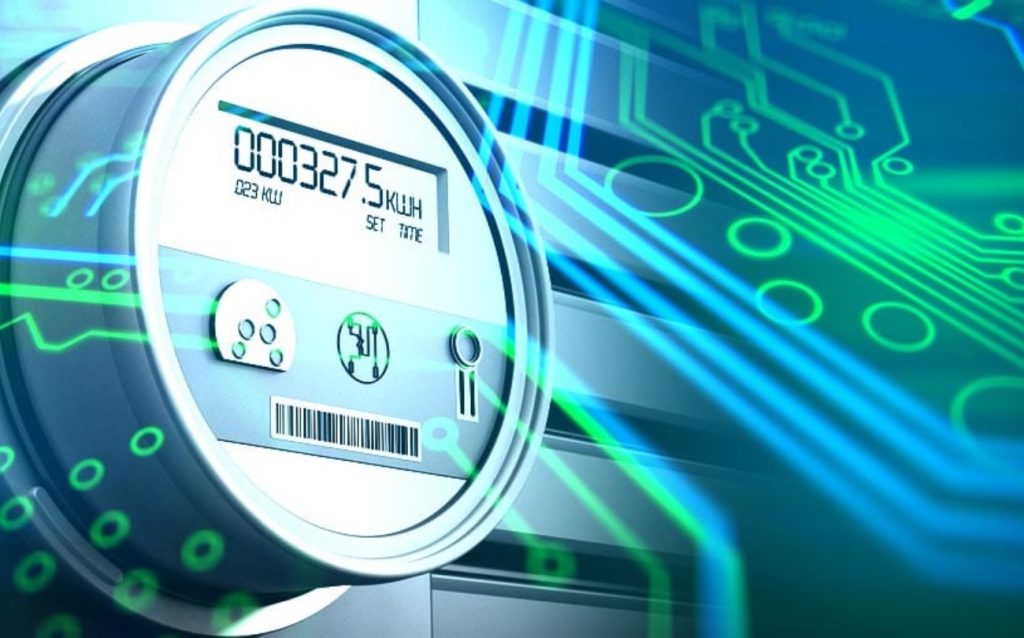
Smart Meter Data Collection: Collect readings from electricity, water, and gas meters remotely for automated billing and instant monitoring.
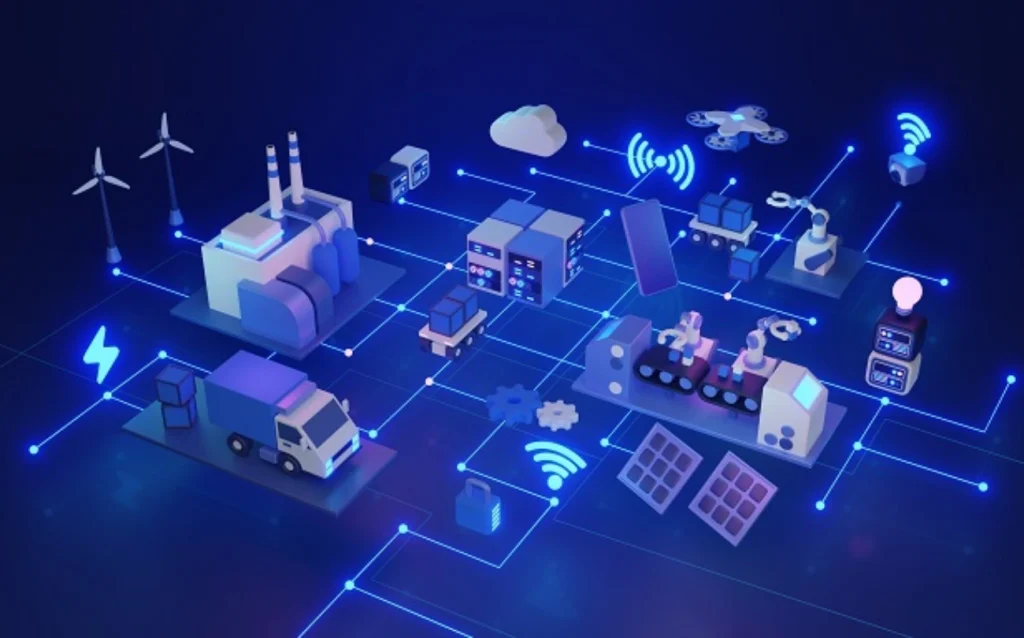
Smart Transportation Monitoring: Track shipments and fleet vehicles in real time to ensure safety and streamline delivery processes.

Smart Industrial Monitoring: Connect equipment and sensors to track performance and detect faults remotely, ensuring smoother operations.

Intelligent Urban Solutions: Support smart streetlights and environmental sensors to optimize urban management and sustainability.

Do you still have questions about our IoT SIM cards? Let’s talk!
Senior IoT Expert
Chris
An IoT SIM card is specially designed for smart devices, enabling seamless device-to-device data transmission and remote communication. Unlike standard SIM cards, IoT SIMs are widely used in industrial equipment, remote monitoring systems, vehicle telematics, smart metering, POS terminals, and wearable devices. They provide enhanced connection stability, lifecycle management, and scalability, making them ideal for large-scale deployments.
An IoT SIM is specifically optimized for machine-to-machine (M2M) communication, providing long-term stable connectivity, minimal device replacement, bulk remote SIM management, and low-power operation. In contrast, regular SIM cards are designed for consumer smartphones and are not suitable for industrial or large-scale deployments.
An IoT SIM is specifically optimized for machine-to-machine (M2M) communication, providing long-term stable connectivity, minimal device replacement, bulk remote SIM management, and low-power operation. In contrast, regular SIM cards are designed for consumer smartphones and are not suitable for industrial or large-scale deployments.
Our IoT SIM cards support international roaming with automatic multi-network switching, covering over 180 countries and regions, including Europe, Southeast Asia, the Middle East, Africa, and Latin America. Access to multiple operators ensures stable and reliable connectivity across borders.
We provide a web-based management platform and API interface for full SIM control, including activation, remote enable/disable, device status monitoring, traffic alert setup, and auto-renewal configuration. Bulk operations are fully supported, and select SIMs come pre-activated for instant use upon installation.
We offer versatile billing plans to suit every need, including monthly, yearly, per-data package, shared pool, multi-card management, and global roaming packages. Entry-level plans start from just a few MB per month for low-frequency devices, while custom plans are available for high-volume usage.
Technically, yes—but it’s not recommended. IoT SIMs are specifically designed for device-to-device communication and typically do not support voice or SMS. They are not suited for high-bandwidth applications such as video streaming or gaming. Using them in consumer devices may lead to throttling or even service suspension.
First, ensure the SIM is correctly inserted, the device supports the required frequency bands and network type, and the device is within coverage. You can also check the SIM status via our management platform. If the issue persists, please contact our technical support team for further diagnostics.
Yes. The SIM can be switched between compatible devices, and binding information such as IMEI, SN, and ICCID can be updated via our backend system. Please note that some countries or operators may impose restrictions on the number of card changes or the frequency of reactivation.
Yes, we provide 3 test SIM cards with a 7–15 day free trial to help clients evaluate network performance, device compatibility, and platform functionality. This is perfect for pilot testing or pre-purchase validation.
We're here for you
Explore our resources