Global Connectivity for Connected Devices | IoT SIM Card

Stay connected anywhere with secure, flexible SIMs for single or multi-network IoT deployments.

Why IoT SIM Cards Are Different from Regular SIM Cards

While standard SIM cards are designed for personal smartphones, IoT SIM cards are built specifically for connected devices and machine-to-machine (M2M) communication. They focus on stable data transmission, long-term reliability, and large-scale device management rather than voice calls or consumer usage.

Unlike regular SIMs, IoT SIM cards support global and multi-network connectivity, allowing devices to stay connected across countries and operators without manual intervention. They are also optimized for low power consumption and long device lifecycles, making them ideal for IoT deployments that must operate unattended for years.

IoT SIM cards explained in 30 seconds

IoT SIM cards are purpose-built for Internet of Things (IoT) devices, enabling seamless machine-to-machine (M2M) communication. They ensure dependable data transmission by connecting devices to mobile networks worldwide.

Unlike conventional consumer SIM cards, IoT SIMs deliver stable connectivity across diverse locations by leveraging multiple network operators. Supporting technologies such as 4G, 5G, and energy-efficient LTE-M, they provide extended coverage and help maximize device battery life.

Equipped with robust security features and manageable via web dashboards and APIs, IoT SIM cards integrate effortlessly into enterprise workflows. They are widely adopted across industries including smart security, intelligent cities, e-mobility, and energy management.

Why Choose Zhongyi for Your IoT SIM Cards?​

ZHONGYI IoT SIM cards provide reliable, flexible, and secure connectivity tailored for IoT devices across diverse industries. Designed to meet real-world business needs, our SIMs deliver:

Free Network Selection

Stay connected to the strongest network automatically, and request prioritized roaming control when desired.

Worldwide Coverage​

Ensure smooth connectivity for your M2M deployments with access to over 485 networks in 189+ countries, including coverage in adjacent border areas.​

National Roaming

Keep your IoT devices connected across the EU with national roaming, leveraging leading networks such as Orange, Vodafone, and BT for reliable coverage.

Always The Fastest Speed

Always Fast, Always Reliable: Our IoT SIMs never limit your connection speed and support technologies from 2G to 5G, including LTE-M and NB-IoT.

NB-IoT and LTE-M

Optimized for Low-Power and Hard-to-Reach Devices: NB-IoT and LTE-M provide reliable connectivity even in tough environments, with growing global operator support. Reach out to us for details.

IoT SIM Card Cloud Platform

Centralized IoT SIM Management: The cloud platform offers device control, live traffic tracking, adaptable plans, multi-network support, strong security, comprehensive reports, and open APIs for seamless integration.

Find the Right IoT SIM Card for Your Deployment

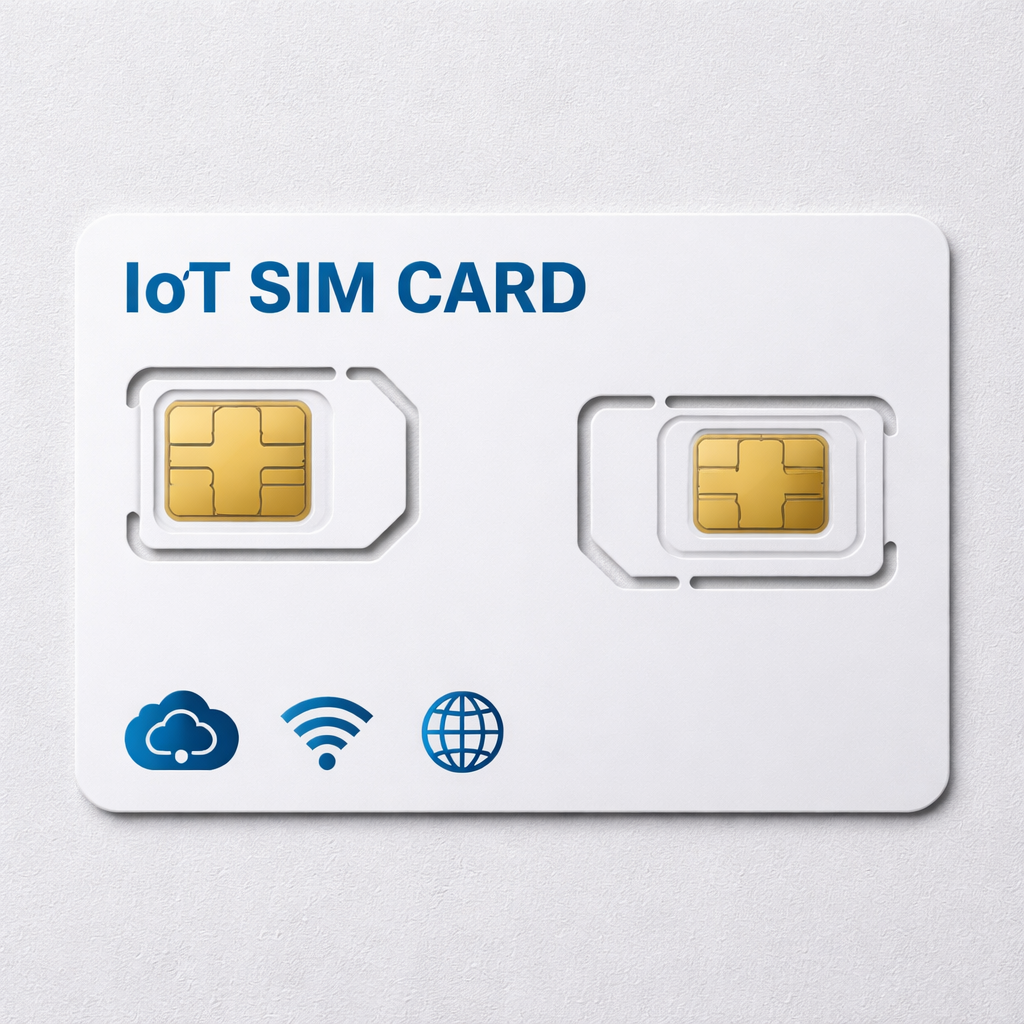
Standard IoT SIM Card

Our standard IoT SIM cards are designed for general IoT applications, providing reliable connectivity for devices that require consistent data transfer over 2G, 3G, 4G, and 5G networks. They are ideal for smart home devices, retail IoT, and low-to-medium data applications

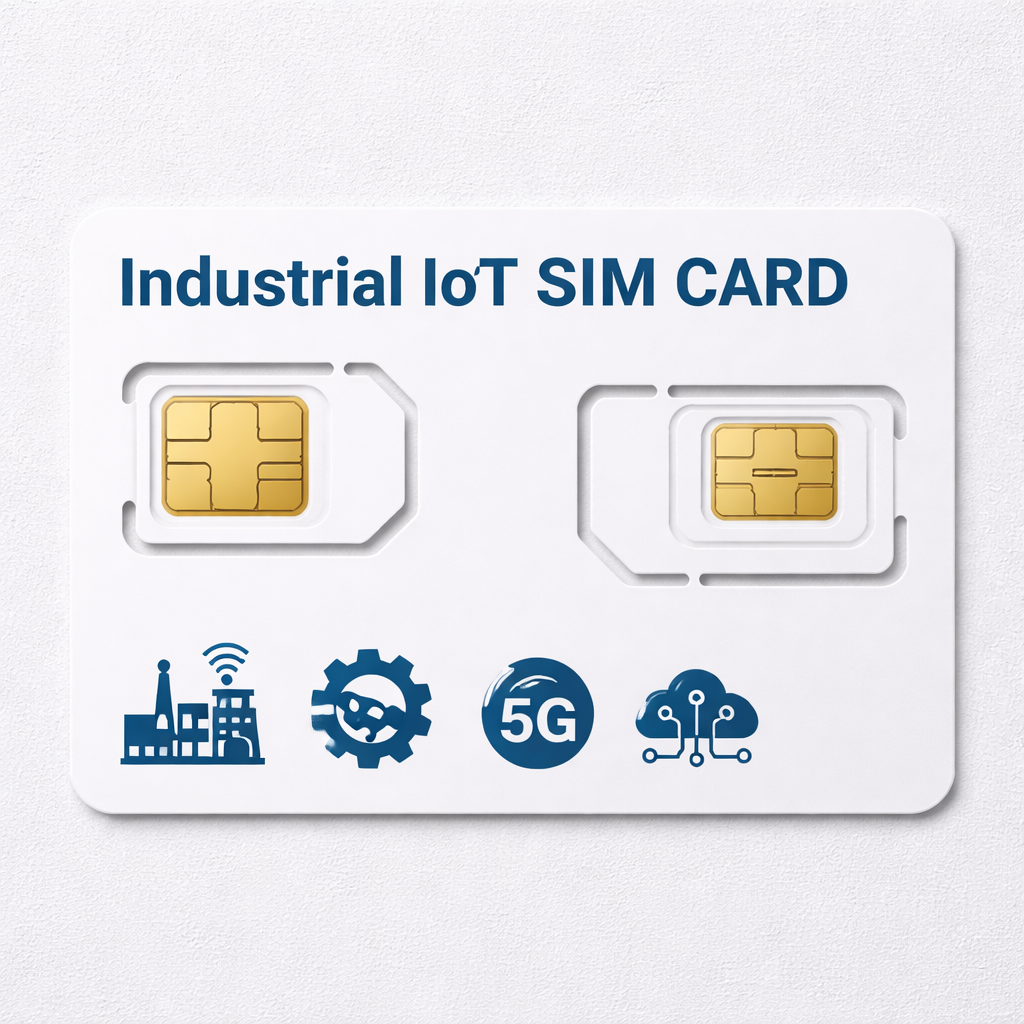
Industrial IoT SIM Card

Industrial SIM cards are built for harsh environments and mission-critical applications. They offer extended temperature tolerance, enhanced durability, and long-term reliability, ensuring continuous operation in industrial automation, smart meters, logistics, and outdoor IoT deployments.

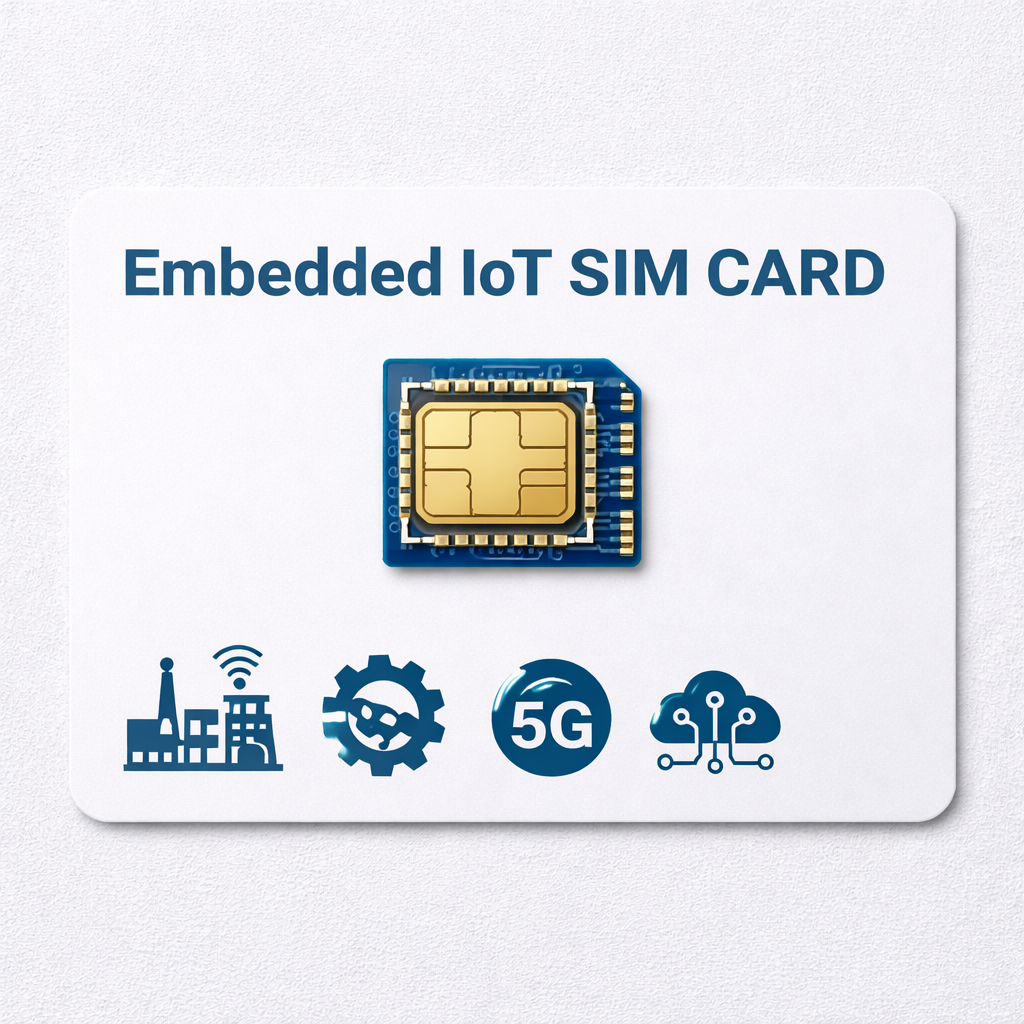
Embedded IoT SIM Card

Embedded SIMs (eSIM / MFF2) are soldered directly into devices, enabling remote provisioning and management. They are perfect for connected vehicles, large-scale enterprise IoT, and devices with long lifecycles, allowing seamless updates and scalability without physical SIM replacement.

Why buy an IoT SIM card?

Looking for IoT SIM cards you can truly rely on? WhereverSIM has you covered. Our SIMs seamlessly connect to the strongest available local network, providing uninterrupted coverage in over 190 countries and across 485+ mobile networks worldwide.

With WhereverSIM, you stay in full control of your data usage at all times. Activate SIMs instantly through our intuitive customer portal, and choose flexible plans designed specifically for your IoT deployment—whether for single devices or large-scale projects. Reliable, simple, and fully customizable.

Do you still have questions about our IoT SIM cards? Let’s talk!

Senior IoT Expert

Chris

chuangyes1sa@gmail.com

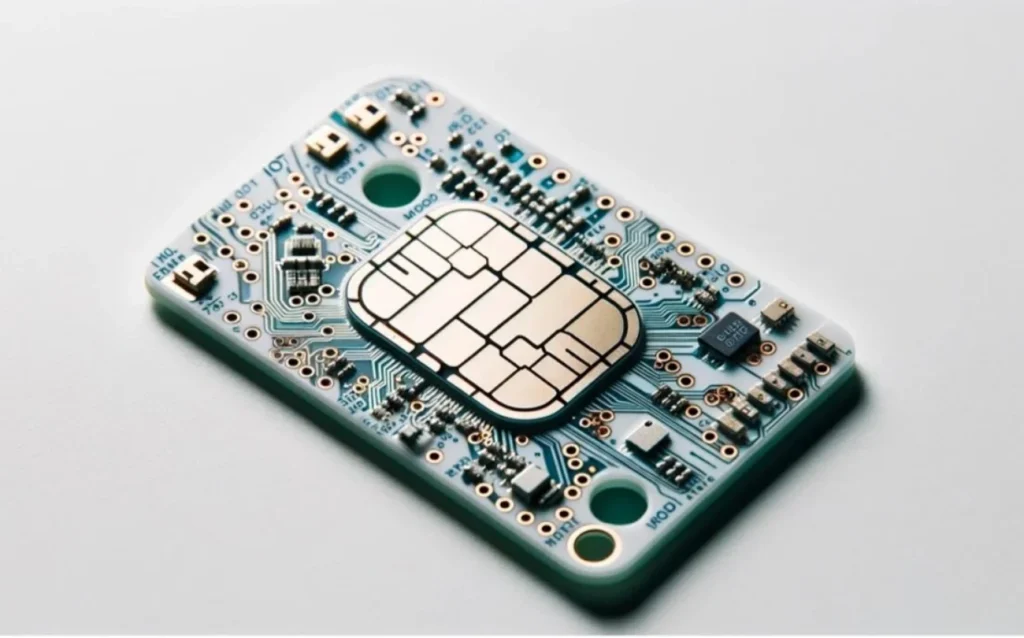
A global SIM card for every IoT use case and device

With a single Zhongyi IoT SIM card, your devices stay connected in every supported country and across all our partner networks—no need for multiple SIMs to access the latest network technologies. As our network grows and evolves, your SIM automatically updates to support new carriers, services, and advanced technologies, ensuring your IoT deployment remains future-ready.

FAQ

An IoT SIM card is a data-focused SIM designed to connect IoT and M2M devices to mobile networks. It enables secure, low-power data transmission across multiple technologies and networks, focusing on connectivity and management rather than voice calls.

IoT SIM cards can be used in a wide range of connected devices, including GPS trackers, smart meters, industrial equipment, POS terminals, vending machines, security cameras, and other IoT or M2M devices. As long as the device supports cellular connectivity, an IoT SIM card can enable reliable data communication.

Yes, most IoT SIM cards are data-only SIMs. They are designed specifically for machine-to-machine (M2M) communication and data transmission rather than voice calls. In some cases, SMS may be supported for device management, alerts, or configuration purposes.

Most IoT SIM cards are data SIMs and do not include traditional voice services. Some IoT solutions may support SMS for device configuration or alerts, but voice calling isn’t typically available.

IoT SIM cards are built to operate over a range of cellular technologies including 2G, 3G, 4G/LTE, 5G, and LPWAN options like NB-IoT and LTE-M, depending on the provider and device requirements.

While technically possible in some cases, IoT SIMs are not optimized for traditional handset usage. They are intended for IoT devices and may not support all smartphone features or network priorities.

IoT SIM cards are typically managed through a cloud platform where you can activate, deactivate, monitor data usage, and configure settings. Many providers also offer APIs for integration with existing systems.

8.Yes. Global IoT SIM cards and multi-IMSI SIMs can automatically switch between multiple carriers’ networks to provide reliable roaming and resilient connectivity across regions.

Connection issues can stem from incorrect APN settings, device configuration problems, or weak signal conditions. Checking APN setup and ensuring data roaming is enabled are common troubleshooting steps.

Yes. IoT SIM cards are typically managed through a single cloud platform where you can oversee thousands of SIMs at once. The platform provides tools for monitoring data usage, managing connectivity status, and optimizing device performance across your entire IoT deployment.

Start the Conversation