1. Introduction: The Growing Need for GPS Tracking Solutions in Fleet Management
In today’s fast-paced business environment, fleet management is more critical than ever. Whether you’re managing a delivery service, a fleet of vehicles, or transportation logistics, optimizing operations is key to reducing costs and improving efficiency. One of the most effective ways to achieve this is through GPS Tracking Solutions, integrated with IoT SIM cards for real-time monitoring and control.
The combination of GPS tracking and IoT connectivity enables fleet managers to track vehicle locations, monitor fuel consumption, improve routing, and even conduct predictive maintenance — all in real time. By using IoT SIM cards, GPS trackers can seamlessly connect to global networks, ensuring continuous data transmission no matter where the vehicles are located.
This article explores how IoT-powered GPS tracking solutions enhance fleet management by providing insights into real-time tracking, security, and operational efficiency.
2. What Are GPS Tracking Solutions and Why Are They Essential for Fleet Management?
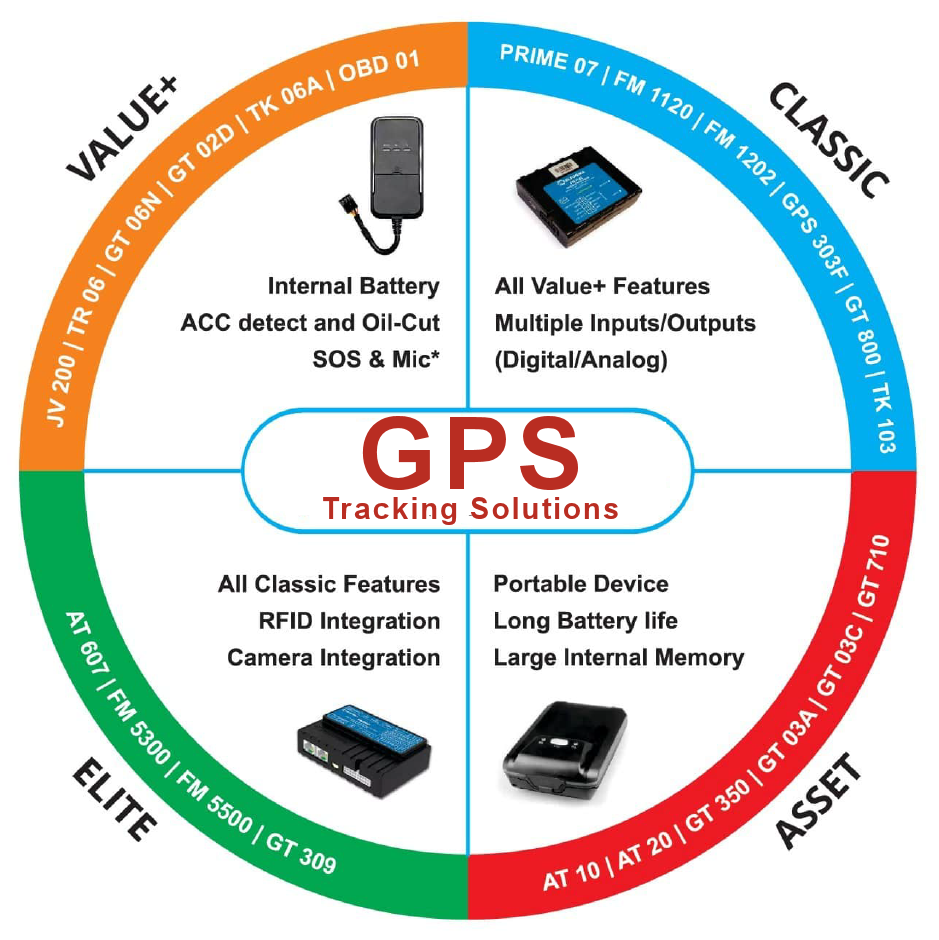
GPS Tracking Solutions involve the use of GPS devices that transmit location data in real time to a centralized system, allowing fleet managers to track and monitor the whereabouts of vehicles, assets, or personnel.
For businesses with large fleets, GPS tracking is a game-changer. Here’s why:
- Real-Time Location Monitoring: Fleet managers can track vehicles, monitor routes, and ensure that deliveries are on time.
- Enhanced Efficiency: Real-time insights into traffic, weather, and vehicle health help optimize routes and reduce delays.
- Security: GPS tracking helps prevent theft by alerting fleet managers about unauthorized movement or changes in vehicle status.
- Regulatory Compliance: GPS tracking ensures that fleet operators meet legal and safety standards by monitoring driver behavior, speeding violations, and hours of service.
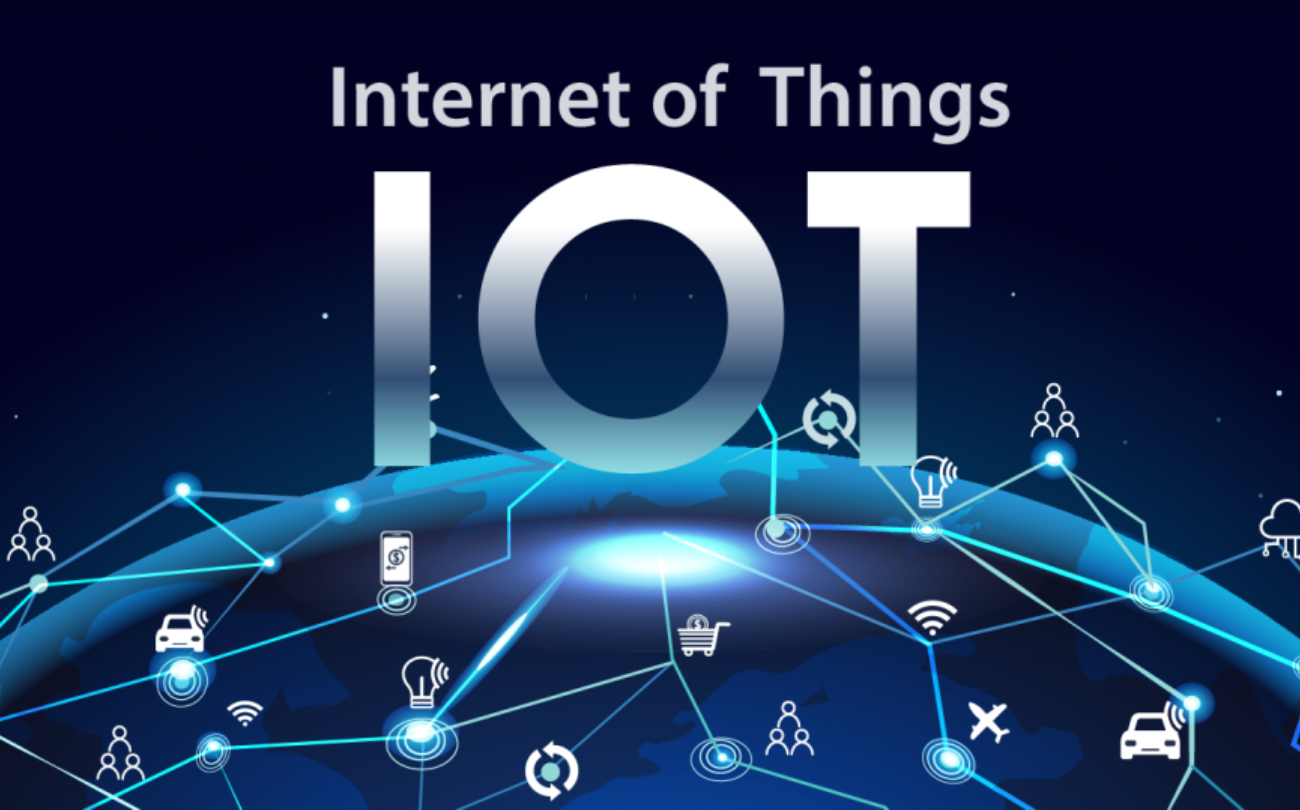
The core technology that powers these solutions is IoT connectivity, which provides continuous, global, and scalable communication between GPS trackers and cloud-based platforms.
3. How IoT SIM Cards Enhance GPS Tracking Solutions
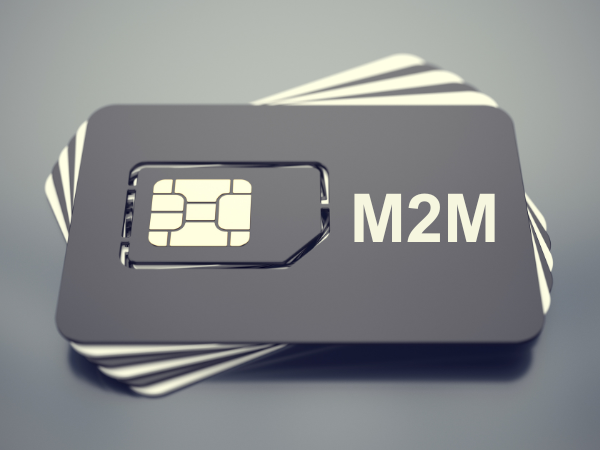
The backbone of modern GPS tracking solutions is the IoT SIM card. Unlike traditional SIM cards, which are used for mobile communication, IoT SIM cards are optimized for machine-to-machine (M2M) communication. These cards are designed to transmit data from connected devices (like GPS trackers) to central cloud servers over cellular networks.
Key Benefits of IoT SIM Cards in GPS Tracking Solutions:
- Global Connectivity: IoT SIM cards support multi-network roaming, ensuring that GPS trackers remain connected regardless of location — whether in urban areas, rural regions, or even across borders.
- Network Resilience: IoT SIMs automatically switch between available networks (2G, 4G, LTE, NB-IoT) for reliable data transmission, ensuring that there’s always a connection available.
- Real-Time Data Transmission: With IoT SIM cards, fleet managers receive real-time data about vehicle locations, vehicle health, fuel consumption, and driver behavior. This data is transmitted securely to cloud platforms for immediate action.
- Cost-Efficiency: IoT SIM cards are designed to be low-power and data-efficient, reducing the overall costs of long-term GPS tracking deployments.
- Remote Management: Fleet managers can remotely control settings, update GPS tracker configurations, and troubleshoot devices using IoT SIM cards. This reduces the need for on-site visits and makes management scalable.
With these features, IoT SIM cards are essential in creating a reliable, efficient, and scalable GPS tracking system.
4. How GPS Tracking Solutions Improve Fleet Efficiency
Efficiency is the primary reason for adopting GPS tracking solutions in fleet management. By continuously monitoring vehicles, businesses can optimize various aspects of fleet operations:
1. Improved Route Planning
With real-time GPS data, fleet managers can monitor traffic conditions, road closures, and other obstacles. By adjusting routes based on real-time information, businesses can reduce fuel consumption and ensure timely deliveries.
2. Fuel Efficiency Monitoring
GPS tracking solutions integrated with IoT SIM cards provide detailed insights into vehicle performance, including fuel consumption. By monitoring fuel usage patterns, fleet managers can identify inefficient driving behaviors, such as excessive idling or harsh braking, that waste fuel.
3. Predictive Maintenance
One of the biggest expenses in fleet management is vehicle maintenance. GPS trackers, coupled with IoT SIM cards, can monitor vehicle health and provide alerts about maintenance needs. Predictive maintenance prevents breakdowns and reduces downtime, ultimately saving businesses significant repair costs.
4. Reduced Theft and Unauthorized Usage
With GPS tracking, businesses can monitor the location of their vehicles 24/7. In the case of theft or unauthorized use, the system can trigger immediate alerts, and fleet managers can track the vehicle in real-time to recover it quickly.
5. Compliance and Reporting
GPS tracking systems integrated with IoT SIM cards can automatically record and report on key metrics such as driving speed, engine hours, and idling time. These reports help businesses stay compliant with industry regulations and standards, reducing the risk of fines or penalties.
5. Real-World Applications of GPS Tracking Solutions in Fleet Management
1. Logistics and Delivery Companies
For logistics companies, GPS tracking solutions are a must-have. From monitoring driver behavior to optimizing delivery routes, GPS tracking enhances overall service quality. For example, delivery companies like FedEx and UPS use GPS tracking solutions to track and manage thousands of vehicles globally. With the help of IoT SIM cards, these companies can provide accurate delivery times and ensure that drivers are following safe and efficient routes.
2. Construction and Heavy Equipment
Construction companies rely on GPS tracking to monitor not just vehicles, but also heavy machinery. By using IoT SIM-powered GPS trackers, companies can monitor the utilization of equipment, ensure that machinery is not misused or stolen, and even plan maintenance schedules based on usage data.
3. Public Transportation Systems
Many public transportation systems use GPS tracking solutions to manage buses, trains, and other vehicles. With IoT SIM cards, fleet operators can monitor vehicle locations in real-time, optimize schedules, and provide passengers with up-to-the-minute arrival information.
4. Rental Services
For vehicle rental companies, GPS trackers provide an easy way to track rental cars, trucks, and vans. IoT SIM-powered trackers allow rental businesses to monitor vehicle usage, prevent misuse, and ensure that their fleet is being used according to rental agreements.
6. How to Choose the Best GPS Tracking Solutions for Your Fleet
Choosing the best GPS tracking solution for your fleet involves several factors. Here are some key considerations to help you make the right decision:
1. Coverage and Network Compatibility
Ensure that the GPS tracking solution supports global connectivity via multi-network IoT SIM cards. This ensures that your vehicles will stay connected in both urban and remote areas, even internationally.
2. Real-Time Monitoring and Reporting
The GPS tracking system should provide real-time data with easy-to-read reports. Look for solutions that allow you to monitor vehicle status, fuel consumption, driver behavior, and maintenance needs in real time.
3. Scalability
As your fleet grows, your GPS tracking solution should be able to scale seamlessly. Choose a solution that can handle an expanding fleet without significant upgrades or increased costs.
4. Integration with Other Systems
Check if the GPS tracking solution integrates well with your existing fleet management software and enterprise resource planning (ERP) systems. Integration enables streamlined operations and more actionable insights.
5. Data Security and Privacy
Ensure that the GPS tracking solution uses secure communication channels and encryption to protect sensitive fleet data from unauthorized access.
7. The Future of GPS Tracking Solutions: IoT, AI, and 5G
The future of GPS tracking solutions is being shaped by IoT, artificial intelligence (AI), and 5G technology. Here’s how these trends are transforming fleet management:
1. IoT and 5G Integration
5G connectivity offers lower latency, higher bandwidth, and more reliable data transmission, making real-time GPS tracking even faster and more accurate. With IoT SIM cards integrated into 5G networks, fleet operators will have access to a broader range of data points and enhanced analytics.
2. AI-Driven Insights
AI-powered GPS tracking solutions will analyze vast amounts of fleet data to identify patterns, predict vehicle failures, optimize routes, and even suggest operational improvements. With AI, fleet managers will make smarter, data-driven decisions.
3. Autonomous Vehicles
As autonomous vehicles become a reality, GPS tracking solutions powered by IoT SIM cards will play a critical role in managing these vehicles. Real-time tracking, combined with advanced analytics, will help monitor autonomous fleets effectively.
8. Conclusion: Why IoT SIM Cards Are Key to Efficient GPS Tracking Solutions
GPS tracking solutions have become an essential tool for fleet management, offering businesses the ability to track vehicles, optimize routes, reduce costs, and improve overall efficiency. When paired with IoT SIM cards, GPS tracking becomes even more powerful, enabling
real-time monitoring, global connectivity, and seamless communication.
At Zhongyi IoT, we provide high-quality, cost-effective IoT SIM cards for GPS tracking solutions, ensuring reliable and continuous data transmission for fleet management systems worldwide. Our IoT connectivity solutions are designed to help businesses reduce costs, increase operational efficiency, and stay competitive in the fast-paced logistics industry.
Transform your fleet management today with Zhongyi IoT SIM cards — where connectivity meets efficiency.