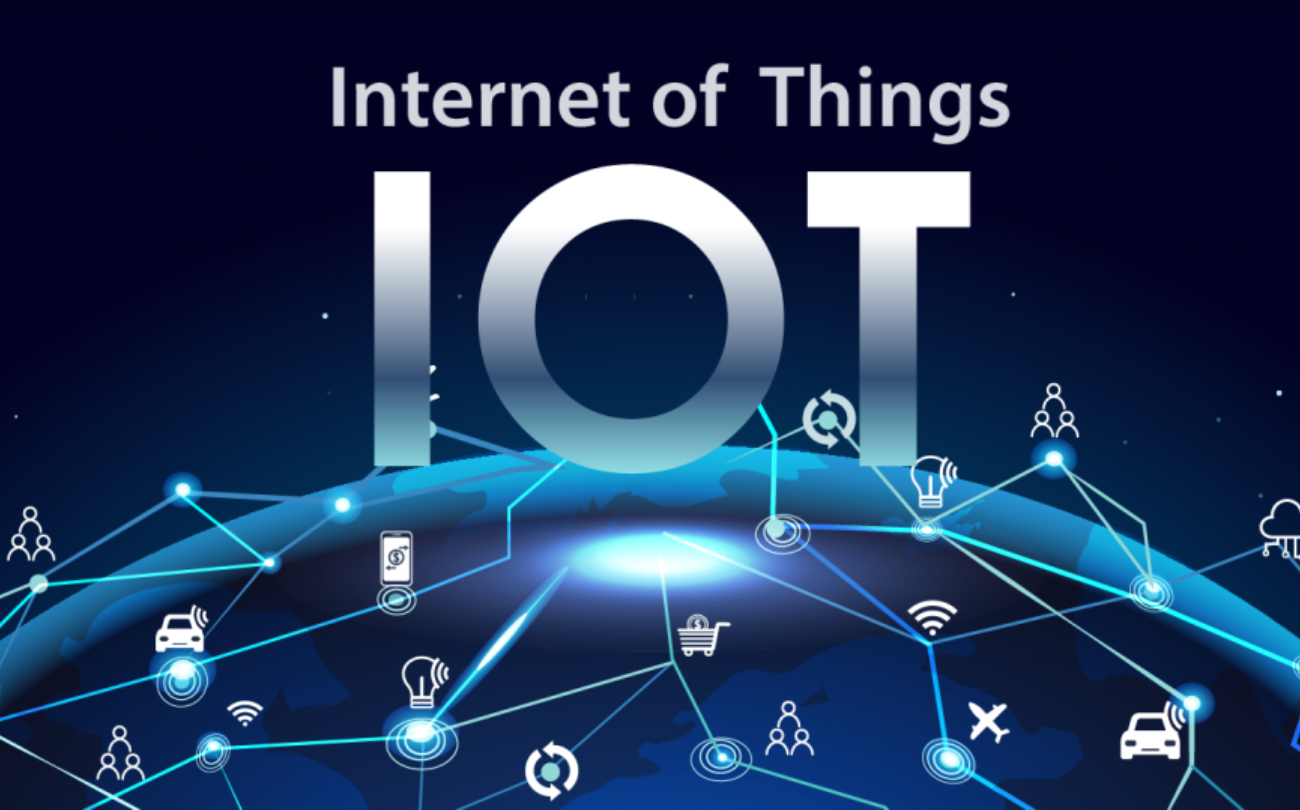

The rise of the Internet of Things (IoT) has transformed the way people interact with their homes. Today, homeowners demand smart home solutions that are reliable, secure, and easy to use. From intelligent lighting and climate control to connected security systems and appliances, the IoT smart home market is booming globally, and Southeast Asia is no exception.
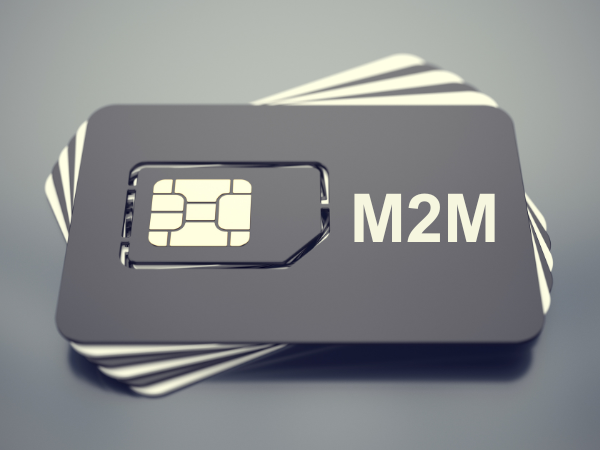
ZhongYi IoT SIM, a leading provider of IoT connectivity, is helping businesses deploy IoT smart home devices across Southeast Asia. With professional expertise and reliable connectivity solutions, ZhongYi enables seamless operation of smart devices, ensuring homeowners enjoy enhanced convenience, efficiency, and security.
The Southeast Asian Smart Home Market
Southeast Asia, including Thailand, Indonesia, Malaysia, Singapore, Vietnam, and the Philippines, is witnessing rapid adoption of IoT smart home devices. Several factors contribute to this growth:
- Rising Disposable Income – Consumers in urban areas increasingly invest in technology to enhance comfort and security at home.
- Internet and Mobile Penetration – High smartphone adoption and widespread broadband access create ideal conditions for connected devices.
- Growing Awareness of Energy Efficiency – Homeowners seek devices that optimize energy consumption, reduce costs, and contribute to sustainability.
- Safety and Security Concerns – Connected cameras, door locks, and sensors allow users to monitor homes remotely, increasing the demand for IoT smart home solutions.
The region’s smart home market is projected to grow significantly over the next decade, with IoT connectivity playing a pivotal role in enabling these devices.
Why IoT Connectivity Matters for Smart Homes
The backbone of any IoT smart home system is reliable connectivity. Devices need to communicate with each other and with cloud platforms continuously. ZhongYi IoT SIM cards ensure stable, secure, and high-speed connections for all types of smart home applications.
Key advantages include:
- Reliable Network Coverage – Multi-network support ensures devices remain connected even in areas with weak signal strength.
- Data Security – Encrypted communication protects user data from cyber threats.
- Scalability – Supports deployment from a few devices to hundreds within a single household or building.
- Cloud Management – Centralized platforms allow homeowners and service providers to monitor devices, control settings, and track data usage in real time.
By leveraging ZhongYi IoT SIM, smart home manufacturers and service providers can deliver uninterrupted services, enhancing user experience and trust.
Popular IoT Smart Home Applications
1. Connected Lighting
Smart lighting systems allow homeowners to control brightness, color, and schedules remotely. With IoT SIM connectivity, lights can respond to real-time data, motion sensors, or weather conditions, creating a more energy-efficient and comfortable living environment.
2. Smart Security Systems
Connected cameras, door locks, motion sensors, and alarm systems rely on IoT SIM cards to transmit data securely to cloud platforms. Homeowners can monitor and control security devices from anywhere, ensuring peace of mind.
3. Intelligent Climate Control
Smart thermostats and HVAC systems optimize indoor temperature based on real-time occupancy and weather data. IoT SIM connectivity enables predictive adjustments, reducing energy consumption and maintaining comfort.
4. Home Appliances
Connected refrigerators, washing machines, and ovens can be remotely monitored and controlled through mobile apps. IoT SIM cards ensure these appliances remain online, allowing users to adjust settings, receive alerts, and schedule maintenance.
5. Energy Management
Smart meters and energy monitoring systems transmit real-time consumption data. By leveraging IoT SIM connectivity, homeowners can track usage, identify energy-saving opportunities, and reduce costs.
6. Voice Assistants and Automation
Voice-controlled smart assistants rely on stable IoT connections to execute commands and integrate with other devices. ZhongYi IoT SIM cards provide reliable connectivity for smooth operation and automation across the home.
Advantages of ZhongYi IoT SIM for Smart Homes
ZhongYi IoT SIM cards are tailored for the IoT smart home industry, offering professional solutions that simplify deployment and enhance device performance:
- Seamless Multi-Network Connectivity – Ensures devices stay online across multiple mobile operators.
- Global and Regional Roaming – Ideal for cross-border smart home devices or international deployments.
- Flexible Pricing Plans – Prepaid, pay-as-you-go, or data-volume-based options for different business models.
- Cloud-Based Management Platform – Real-time monitoring, device control, and data analytics.
- Secure and Reliable Performance – Low latency and encryption safeguard data while enabling uninterrupted device operation.
By partnering with ZhongYi IoT SIM, smart home device manufacturers and service providers can focus on innovation while leaving connectivity and reliability to professionals.
Southeast Asia Market Expansion Strategies
To expand IoT smart home connectivity in Southeast Asia, ZhongYi focuses on:
- Local Partnerships – Collaborating with regional telecom operators ensures strong coverage and regulatory compliance.
- Industry-Specific Solutions – Tailored IoT SIM card plans for smart home devices and home automation services.
- Flexible Pricing Options – Affordable, scalable plans for startups, SMEs, and large providers.
- Pilot Projects and Case Studies – Demonstrating reliability and performance builds credibility with customers.
- Cloud-Based Device Management – Simplifies deployment, monitoring, and maintenance for service providers.
Challenges and How ZhongYi Solves Them
Deploying IoT smart home devices in Southeast Asia comes with challenges:
- Diverse Telecom Networks – Different countries have multiple operators with varying coverage. ZhongYi IoT SIM cards automatically select the best network for uninterrupted performance.
- Device Compatibility – Smart home devices use multiple communication standards such as NB-IoT, LTE-M, and 4G. ZhongYi ensures broad compatibility.
- Security Concerns – Encrypted communication and secure SIM authentication protect users’ private data.
Through professional solutions, ZhongYi overcomes these challenges, delivering reliable IoT smart home connectivity.
Why Choose ZhongYi IoT SIM for Smart Homes
ZhongYi IoT SIM is professional, reliable, and experienced in providing connectivity for IoT smart home devices. Our solutions ensure:
- Devices remain online and responsive at all times
- Data security and privacy are maintained
- Service providers can scale operations efficiently
- Homeowners enjoy seamless, uninterrupted smart home experiences
We welcome you to consult with our experts. Let ZhongYi IoT SIM empower your smart home devices in Southeast Asia with professional IoT connectivity.
Conclusion
The IoT smart home market in Southeast Asia is growing rapidly, driven by urbanization, rising incomes, and increasing awareness of convenience, safety, and energy efficiency. Reliable connectivity is critical for smart home devices, and ZhongYi IoT SIM cards provide professional, scalable, and secure solutions.
By partnering with ZhongYi IoT SIM, businesses can deploy smart home devices confidently, enhance user experiences, and unlock new opportunities in Southeast Asia. Contact us today to learn how our professional IoT connectivity solutions can transform your smart home projects.