In today’s connected world, businesses are increasingly deploying smart devices, sensors, and machinery that rely on seamless communication. Choosing the right SIM card for these devices is critical. This brings up the question: M2M vs IoT SIM cards: what’s the difference?
At Zhongyi IoT Cards, we specialize in providing reliable IoT SIM card solutions that enable global connectivity, scalable device management, and secure data transmission. This article will explore the differences between M2M SIM cards and IoT SIM cards, their applications, benefits, and why choosing the right SIM solution is essential for your business.
What Are M2M SIM Cards and How Do They Work?
M2M (Machine-to-Machine) SIM cards were the first generation of SIM technology designed for devices to communicate automatically without human intervention. Unlike consumer SIM cards, M2M SIMs are built for stability, durability, and long-term reliability in industrial applications.
Key Features of M2M SIM Cards:
- Reliable Connectivity: Connects to a specific operator network for stable communication.
- Durability: Resistant to harsh environmental conditions like extreme temperatures and vibration.
- Data Efficiency: Optimized for sending small, periodic data packets rather than continuous streams.
- Extended Lifecycle: Designed for long-term device deployments.
Common Applications:
- ATMs and POS systems
- Vending machines
- Industrial monitoring and automation
- Vehicle telematics
M2M SIMs are ideal for closed-loop networks where devices operate in a controlled environment with predictable data requirements.
What Are IoT SIM Cards and Why Are They Different?
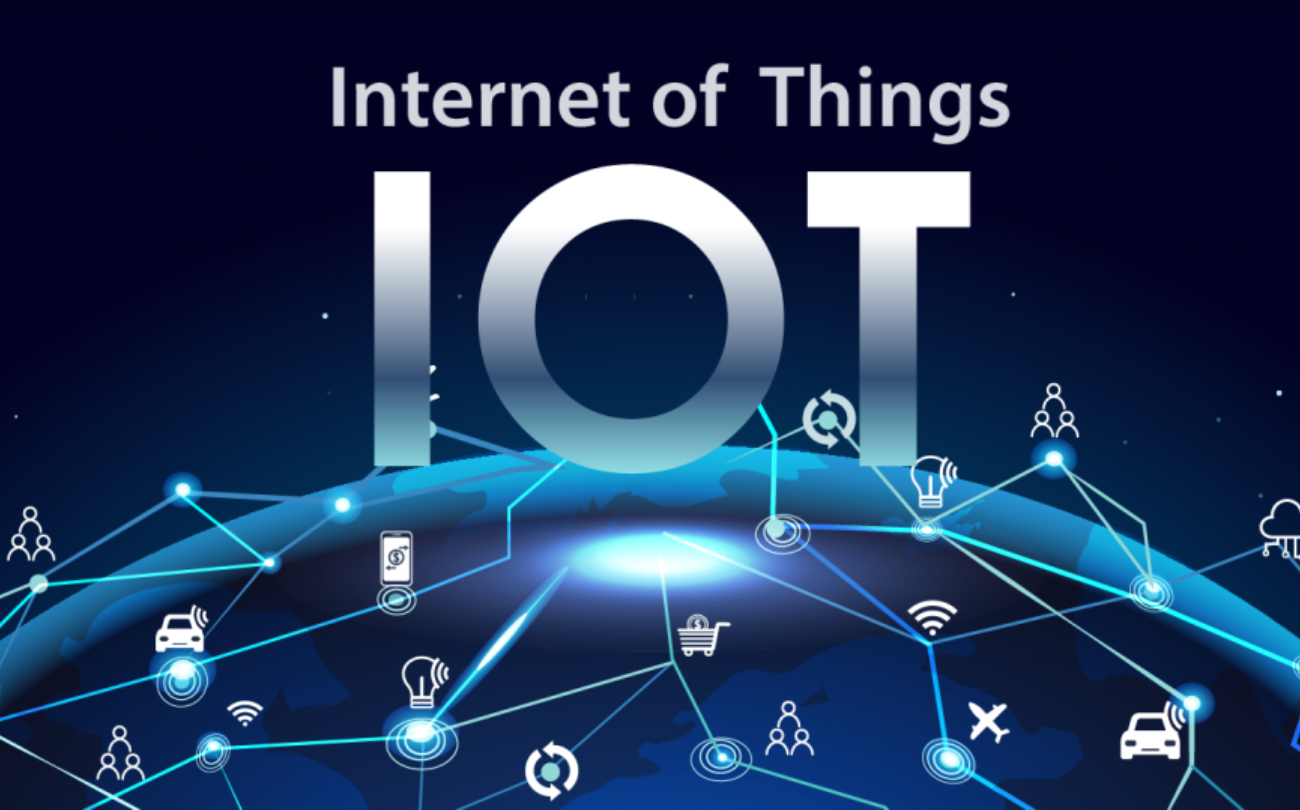
IoT SIM cards are an evolution of M2M SIMs, designed to support large-scale, cloud-integrated, and multi-network IoT deployments. They enable businesses to manage thousands—or even millions—of devices globally while maintaining secure and efficient communication.
Core Capabilities of IoT SIM Cards:
- Global Roaming: Seamless connectivity across multiple carriers and countries.
- Cloud Integration: Real-time device monitoring and remote management through IoT platforms.
- Advanced Security: End-to-end encryption and private APNs for sensitive data.
- Network Flexibility: Supports 2G, 3G, 4G, 5G, NB-IoT, and Cat-M1 networks.
Common Applications:
- Smart cities and smart infrastructure
- Healthcare devices and remote patient monitoring
- Fleet management and logistics tracking
- Wearables and connected consumer electronics
At Zhongyi IoT Cards, our solutions enable businesses to deploy IoT SIMs that are scalable, reliable, and secure, supporting a variety of industries and applications.
M2M SIM Cards vs IoT SIM Cards Comparison
When comparing M2M vs IoT SIM cards, several factors highlight their differences:
- Scalability:
- M2M SIMs are suitable for smaller-scale deployments.
- IoT SIMs support millions of devices with centralized management.
- Network Flexibility:
- M2M SIMs typically rely on a single carrier network.
- IoT SIMs offer multi-network roaming for global operations.
- Device Management:
- M2M SIMs require manual configuration and monitoring.
- IoT SIMs can be managed via cloud platforms, enabling remote updates and analytics.
- Data Usage:
- M2M SIMs handle low-volume, periodic data.
- IoT SIMs handle high-frequency, real-time data streams.
- Cost Efficiency:
- M2M SIMs offer predictable low cost for simple applications.
- IoT SIMs optimize traffic and billing for large-scale deployments.
Applications of M2M SIM Cards in Industries
1. Fleet Management
M2M SIMs provide GPS tracking, fuel monitoring, and vehicle diagnostics, ensuring operational reliability for logistics companies.
2. Banking and ATMs
They guarantee secure and reliable data transmission in ATMs and POS devices.
3. Vending Machines and Kiosks
M2M SIMs enable cashless payment, inventory updates, and remote diagnostics for vending networks.
M2M SIMs excel in stable, predictable environments but lack the flexibility required for large-scale IoT deployments.
Applications of IoT SIM Cards in Modern IoT Ecosystems
1. Smart Cities
IoT SIMs connect traffic systems, energy meters, CCTV cameras, and environmental sensors, enabling real-time analytics and operational efficiency.
2. Healthcare Devices
Remote patient monitoring and wearable health devices rely on IoT SIMs for instant alerts, continuous data transmission, and cloud storage.
3. Connected Vehicles
IoT SIMs allow vehicles to access navigation, diagnostics, infotainment, and emergency services reliably across regions.
Benefits of IoT SIMs Over M2M SIMs:
- Global Coverage: Ensures devices remain connected internationally.
- Remote Management: Cloud-based monitoring and firmware updates.
- Data Analytics: Collects and processes large-scale device data efficiently.
- Enhanced Security: Encryption and private networks for sensitive information.
How to Choose Between M2M and IoT SIM Cards
When selecting a SIM solution, consider:
- Device Volume: Small-scale → M2M; Large-scale → IoT
- Geographic Coverage: Local deployment → M2M; Global deployment → IoT
- Data Requirements: Low periodic data → M2M; Continuous high-frequency data → IoT
- Management Needs: Manual monitoring → M2M; Cloud-based platform → IoT
Zhongyi IoT Cards provides guidance and tailored solutions to match your business requirements.
Future Trends in M2M and IoT SIM Technology
- 5G IoT SIM Cards: Low latency, high bandwidth, suitable for autonomous vehicles and smart factories.
- eSIM/iSIM Technology: Remote provisioning eliminates physical SIM swapping.
- Cloud-Integrated Management: Real-time dashboards for analytics and traffic optimization.
- AI-Powered Networks: Predictive analytics for network optimization and data usage efficiency.
Conclusion
Understanding M2M vs IoT SIM cards is essential for businesses deploying connected devices. M2M SIM cards are ideal for small-scale, stable, and localized deployments, while IoT SIM cards provide scalability, global coverage, cloud integration, and advanced security, making them the preferred choice for modern IoT solutions.
At Zhongyi IoT Cards, we provide tailored IoT SIM card solutions to ensure reliable connectivity, efficient device management, and optimized costs for businesses across industries.
Frequently Asked Questions (FAQ)
Q1: What is the difference between M2M and IoT SIM cards?
A: M2M SIMs support small-scale, localized communication. IoT SIMs enable large-scale, global, cloud-connected networks.
Q2: Can M2M SIM cards work internationally?
A: Typically, M2M SIMs are carrier-specific. IoT SIMs offer multi-network global roaming.
Q3: Are IoT SIM cards more expensive than M2M SIM cards?
A: IoT SIMs may have higher upfront costs but reduce long-term operational expenses through cloud management and traffic optimization.
Q4: Can IoT SIMs be updated remotely?
A: Yes, via cloud platforms supporting over-the-air updates and remote configuration.
Q5: Which SIM card is best for smart city projects?
A: IoT SIM cards, due to global coverage, scalability, and cloud integration.